
Overview
In this section you will get an overview of the condition and its relevance to your health.
Elevated cholesterol levels affect a great many people -- often without noticeable symptoms. Nevertheless, they are an important risk factor for cardiovascular disease because cholesterol can deposit in blood vessels and promote atherosclerosis.
Particularly relevant is so-called LDL cholesterol ("bad" cholesterol). The higher the LDL and the more additional risk factors present (e.g., high blood pressure, diabetes, smoking), the more important consistent treatment becomes.
The good news: high cholesterol can be lowered very effectively -- through diet, lifestyle, and well-researched medications such as statins. An individual risk assessment and therapy planning can also be carried out as part of an online consultation.
What is it?
Here you will learn what medically characterizes this condition and how it is defined.
Cholesterol is a fat-like substance that the body needs for cell membranes and hormone production, among other things. It is partly absorbed through food but is predominantly produced in the liver.
In the blood, cholesterol is bound to transport proteins:
- LDL transports cholesterol into tissues and can promote deposits
- HDL transports cholesterol back to the liver
Elevated LDL levels increase the risk of vascular calcification (atherosclerosis) and thus of heart attack, stroke, and circulatory disorders.
Causes
The following information explains which factors can contribute to the development of this condition.
Elevated cholesterol levels result from lifestyle, genetic factors, or both.
Diet & lifestyle:
- High proportion of saturated fatty acids and trans fats
- Overweight, lack of physical activity
- Alcohol (indirectly through triglycerides)
Genetic factors:
- Familial hypercholesterolemia can cause very high LDL levels even at a young age.
Secondary causes:
- Hypothyroidism
- Diabetes
- Kidney disease
- Certain medications
Symptoms
This section describes the typical signs and symptoms you should watch for.
High cholesterol usually causes no symptoms.
Possible indicators (rare, mainly genetic):
- Tendon xanthomas (fat deposits)
- Fat deposits on the eyelids (xanthelasma)
Consequences develop over the long term through atherosclerosis, e.g., chest pain (angina), stroke symptoms, or pain when walking (peripheral artery disease).
Warning signs such as chest pain, paralysis, or speech difficulties are emergencies and must be evaluated immediately.
Diagnosis
Below you will learn how this condition is detected through medical examinations.
Diagnosis is made through a blood test:
- Total cholesterol
- LDL, HDL
- Triglycerides
Important is the risk assessment: depending on cardiovascular risk, different target values apply. Factors such as age, blood pressure, smoking, diabetes, and pre-existing conditions are considered.
As part of an online consultation, laboratory values can be interpreted and a therapy plan including target values created.
Treatment
Here the available therapy options and their modes of action are explained.
Treatment depends on individual risk and LDL target values.
Lifestyle:
- Mediterranean diet, more unsaturated fats
- More fiber (e.g., oats, legumes)
- Weight reduction and regular exercise
Medications:
- Statins (e.g., atorvastatin, simvastatin): lower LDL; possible side effects: muscle pain, rarely elevated liver enzymes
- Ezetimibe: reduces cholesterol absorption in the intestine, often added to a statin
- For very high risk, additional options may be considered (medical decision)
Important contraindications and interactions depend on the specific preparation and should be medically reviewed (e.g., pregnancy with statins).
Available medications
Various prescription medications are available for treatment. Click on a medication to learn more about its effects, dosage and side effects.
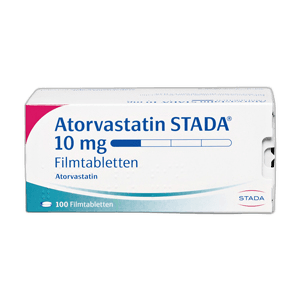
atorvastatin
Atorvastatin (als Calciumsalz)
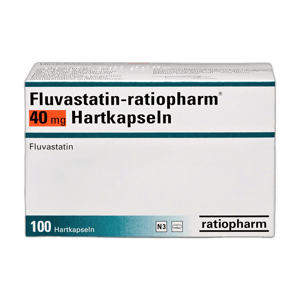
fluvastatin
Fluvastatin (als Natriumsalz)
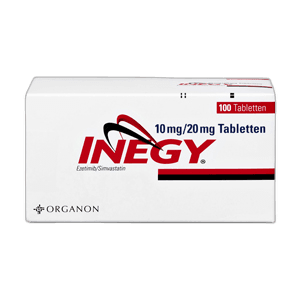
Inegy® (Ezetimib/Simvastatin)
Ezetimib / Simvastatin
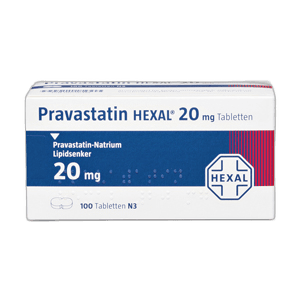
prvastatin
Pravastatin (als Natriumsalz)
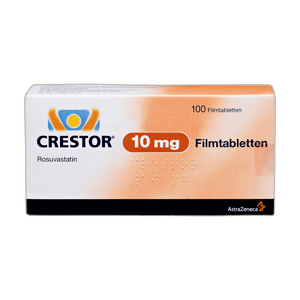
Rosuvastatin (Crestor®)
Rosuvastatin (als Calciumsalz)
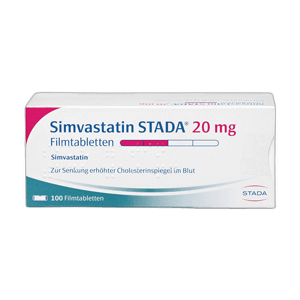
simvastatin
Simvastatin
Prevention
This section provides guidance on prevention and reducing risk factors.
Prevention is effective:
- Balanced diet with few trans fats
- Regular exercise
- Smoking cessation
- Regular blood tests, especially with family history
Early treatment can significantly reduce cardiovascular events.
FAQ
Here you will find answers to frequently asked questions on this topic.
Would you like a medical assessment?
Fill out the medical questionnaire. A licensed doctor will review your information and recommend a suitable therapy if appropriate.
Important notice
This content is for general information only. In case of severe pain, shortness of breath, impaired consciousness, fever > 39°C or rapidly worsening symptoms, please seek immediate medical help ().
Related treatments
More treatments from the Allgemeine Medizin area that might interest you.
Asthma
Wir prüfen Beschwerden und mögliche Warnzeichen, damit der nächste Schritt sicher eingeordnet werden kann.
Medizinisches Cannabis
Kurzer Check zu Beschwerden, Vorerkrankungen und bisherigen Therapien zur medizinischen Einordnung.
Allergischer Schnupfen (Heuschnupfen)
Ein kurzer Fragebogen hilft, Symptome, Auslöser und bisherige Behandlung zu erfassen.
Raucherentwöhnung
Kurzer Check zu Konsum, Motivation und Rahmenbedingungen – für passende Optionen.