
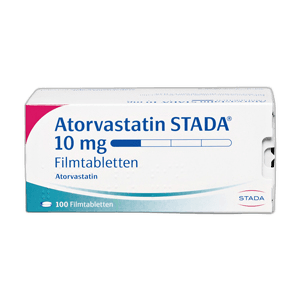
What is atorvastatin?
Atorvastatin is a HMG-CoA reductase inhibitor (stin) and the most commonly prescribed cholesterol-lowering drug worldwide. It effectively reduces LDL cholesterol (“bad cholesterol”) by 30–50% depending on the dosage and thus reduces the risk of heart attack and stroke.
Atorvastatin was one of the most effective medicines of all time under the brand name Sortis® (or Lipitor® international). Today it is available as a generic (e.g. Atorvastatin-ratiopharm®, Atorvastatin HEXAL®, Atorvastatin-1 A Pharma®).
It is one of the highly effective statins and is preferably used in patients with high cardiovascular risk.
Active Ingredients & Mechanism of Action
Active ingredient: Atorvastatin (als Calciumsalz)
Atorvastatin inhibits cholesterol synthesis in the liver:
Active mechanism:
- inhibits the enzyme HMG-CoA reductase (key enzyme of cholesterol biosynthesis)
- The liver produces less cholesterol
- Compensatorically more LDL receptors are formed on the liver surface
- More LDL cholesterol is absorbed and degraded from blood
Lipid effect:
- LDL cholesterol: 30–50 % reduction (dose dependent)
- Triglycerides: 15–30 % reduction
- HDL-Cholesterol: Low rise by 5-10 %
Pleiotropic effects (above lipid reduction):
- Stabilization of atherosclerotic plaques
- Inflammation inhibition in vascular walls
- Improvement of endothelial function
- Coagulation-inhibiting properties
Initiation of action: LDL lowering measurable after 2 weeks. Maximum effect after 4–6 weeks.
Who is it suitable for?
Atorvastatin is suitable for:
- Adults with hypercholesterolemia (increased cholesterol)
- patients with mixed dyslipidemia
- secondary prevention after heart attack or stroke
- Primary prevention at high cardiovascular risk
- Familiary hypercholesterolemia
Especially recommended at:
- High LDL cholesterol, which must be greatly reduced (> 50 % reduction)
- Diabetes mellitus type 2 with increased cardiovascular risk
- coronary heart disease (KHK) for secondary prevention
- Patients who prefer a flexible intake time (no time retention)
Not suitable:
- Pregnancy and breastfeeding
- Active liver disease or unexplained transaminase increase
- Simultaneous use with certain drugs (Ciclosporin, strong CYP3A4 inhibitors)
Available Dosages
Start dose:
- 10–20 mg once a day (depending on risk profile)
Other dosages:
- 10 mg: Light cholesterol increase, primary prevention
- 20 mg: Moderate reduction, standard in many patients
- 40 mg: Stronger reduction, after heart attack
- 80 mg: Maximum, high risk patients, after acute coronary syndrome
Available starches:
- 10 mg, 20 mg, 40 mg, 80 mg film tablets
LDL reduction after dose:
- 10 mg: approx. 30 %
- 20 mg: approx. 36 %
- 40 mg: approx. 42 %
- 80 mg: approx. 48–50 %
Dosis adjustment:
- Kidney insufficiency: No adjustment required
- Easy liver insufficiency: caution, close-meshed control
How to Take
Intake:
- Once a day, at any time of day
- Independent meals
- Swallow film tablet with water
Advantage over Simvastatin: Atorvastatin must NOT be taken in the evening. It has a long half-life (14 hours, active metabolite up to 30 hours) and can therefore be taken at any time of day.
Important notes:
- Regular laboratory checks (leverages, lipid profile) – first check after 4–12 weeks
- Forgotten dose: Repeat if less than 12 hours have passed
- Avoid grapefruit juice in large quantities (CYP3A4)
- Limit alcohol consumption (lever protection)
- Rescue to the doctor immediately
Contraindications
**Atorvastatin must not be taken at:* *
- Active liver disease or unexplained, permanent transaminase increase (> 3-fold)
- Pregnancy and breastfeeding
- hypersensitivity to atorvastatin
Preview at:
- Liver diseases in history
- High alcohol consumption
- Hypothyroidism (thyroidism subfunction – increased myopathy risk)
- Muscle diseases in history
- Kidney insufficiency (increased myopathy risk)
- Simultaneous intake of CYP3A4 inhibitors (Itraconazole, Clarithromycin)
pregnant: Statins are strictly contraindicated throughout pregnancy. Cholesterol is essential for fetal development. Women of the age of birth must be safely prevented.
Possible Side Effects
Family (1–10 %):
- Nasopharyngitis (cold symptoms)
- Myalgia (muscle pain) – the most common reason for therapy termination
- joint pain
- Gastrointestinal complaints (abuse, diarrhea, constipation)
- Increased liver enzymes
** Occasionally (0.1-1 %):* *
- Headaches
- Sleep disorders
- Squeeze
- Skin rash
- Increased blood sugar levels (lightly diabetogen)
Selten, but seriously:
- Myopathy (muscle damage with CK increase)
- Rhabdomyolysis (several muscle decay – emergency!)
- Liver failure (extremely rare)
- Interstitial lung disease
Muscle pain: If about 5-10 % of patients occur, they are usually mild. At severe muscle pain with dark colored urine immediately seek doctor (Rhabdomyolysis care).
Interactions
Increased myopathy risk at:
- Ciclosporin (combination avoid or limit atorvastatin dose to 10 mg)
- Clarithromycin, Erythromycin, Itraconazole, Ketoconazole (CYP3A4 inhibitor)
- Gemfibrozil and other fibrates
- Fusidic acid (combination contraindicated during therapy)
- Colchicin
More interactions:
- Grapefruit juice in large quantities (> 1 liter/day) – CYP3A4 inhibition
- Rifampicin – accelerated degradation, reduced effect
- Warfarin – enhanced coagulation inhibition (INR control)
- Digoxin – slightly increased digoxin level
- Oral contraceptives – slightly increased ethinylestradiol levels
** Atorvastatin is extracted via CYP3A4. All drugs that inhibit this enzyme can increase the Atorvastatin levels and thus increase the risk of side effects.
Frequently Asked Questions
Similar Medications
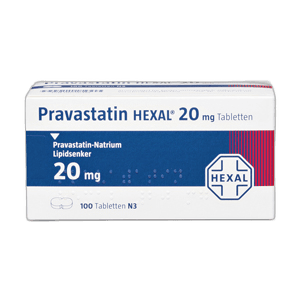
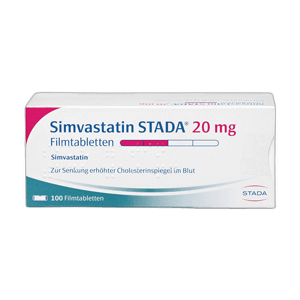
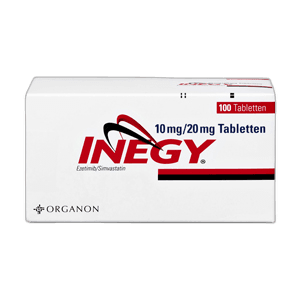
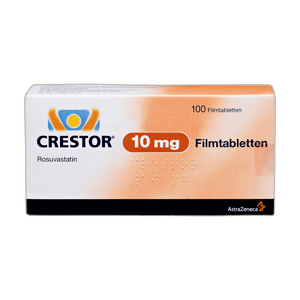
Is atorvastatin right for you?
A licensed doctor will review your information and issue a prescription if suitable. Discreet and secure.
Important Notice
This information does not replace medical advice. If you have questions about your health or the suitability of this medication, please consult a doctor. Read the package leaflet before use.