
Overview
In this section you will get an overview of the condition and its relevance to your health.
Hay fever -- medically known as allergic rhinitis -- is one of the most common allergic conditions. Millions of people suffer seasonally or year-round from typical symptoms such as sneezing, runny nose, and itchy eyes.
The symptoms are often underestimated or dismissed as a harmless cold. Left untreated, however, hay fever can significantly impair quality of life and increase the risk of developing asthma.
The good news: hay fever can be treated very effectively today. Modern medications can relieve symptoms efficiently -- including after medical review as part of an online consultation.
What is it?
Here you will learn what medically characterizes this condition and how it is defined.
Hay fever is an allergic reaction of the immune system to normally harmless substances from the environment, known as allergens. Common triggers include pollen from grasses, trees, or herbs, as well as house dust mites or animal dander.
When the body comes into contact with the allergen, it releases histamine. This chemical messenger causes the typical allergic symptoms such as mucosal swelling, itching, and increased mucus production.
Depending on the trigger, a distinction is made between seasonal hay fever (pollen allergy) and perennial allergic rhinitis.
Causes
The following information explains which factors can contribute to the development of this condition.
The cause of hay fever is a malfunction of the immune system.
Common allergens include:
- Pollen from grasses, trees, and herbs
- House dust mites
- Animal dander
- Mold spores
Contributing factors include:
- Genetic predisposition
- Early childhood allergies
- Environmental factors such as air pollution
Multiple allergies often occur simultaneously.
Symptoms
This section describes the typical signs and symptoms you should watch for.
The symptoms of hay fever primarily affect the nose, eyes, and airways.
Typical symptoms include:
- Frequent sneezing
- Runny nose or nasal congestion
- Itching in the nose, eyes, or throat
- Red, watery eyes
Other possible symptoms:
- Fatigue and concentration difficulties
- Dry cough
- Headaches
Warning signs that should be medically evaluated include shortness of breath or wheezing.
Diagnosis
Below you will learn how this condition is detected through medical examinations.
The diagnosis of hay fever is based on the typical symptoms and allergy testing.
Common examinations include:
- Skin tests (prick test)
- Blood tests (specific IgE)
- Provocation tests in special cases
As part of an online consultation, symptoms and previous findings can be assessed and an appropriate therapy recommended.
Treatment
Here the available therapy options and their modes of action are explained.
The treatment of hay fever depends on the type and severity of symptoms.
Antihistamines block the effects of histamine and relieve itching, sneezing, and runny nose. Modern preparations usually do not cause drowsiness.
Corticosteroid nasal sprays have a strong anti-inflammatory effect and are particularly effective for nasal congestion.
Other treatment options:
- Eye drops for eye symptoms
- Leukotriene receptor antagonists
- Desensitization (specific immunotherapy)
Treatment should ideally be started as early as possible.
Available medications
Various prescription medications are available for treatment. Click on a medication to learn more about its effects, dosage and side effects.
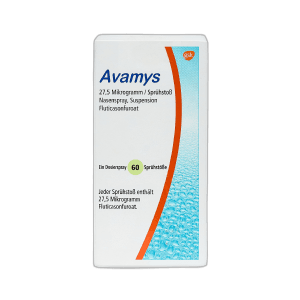
Avamys® (Fluticasonfuroate)
Fluticasonfuroat
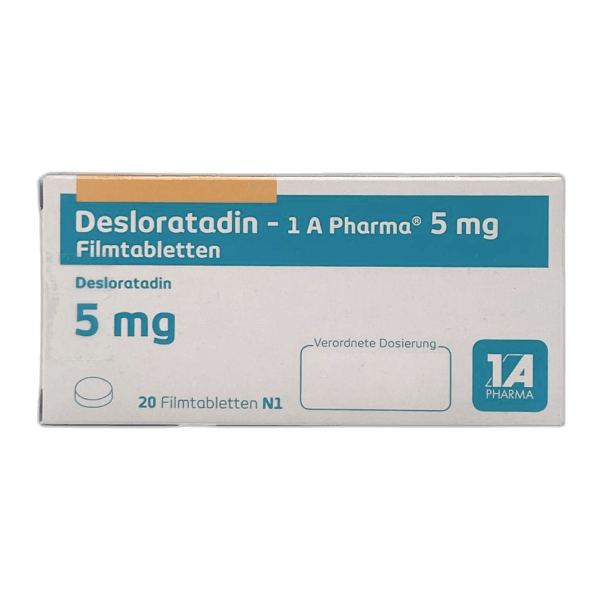
desloratadin
Desloratadin
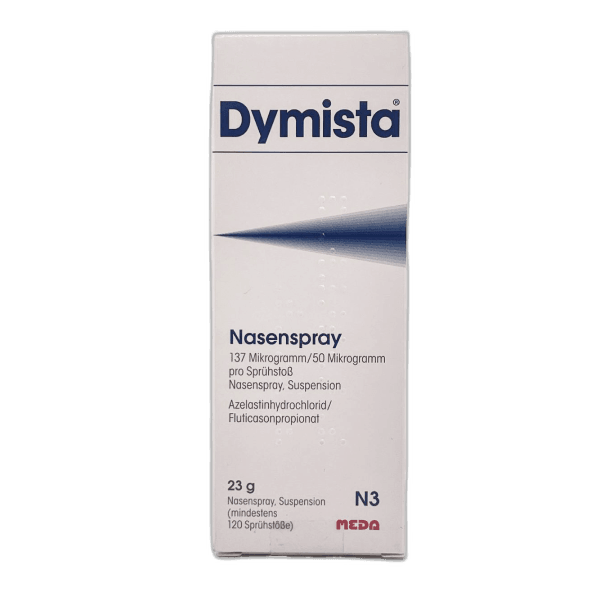
Dymista® nasal spray
Azelastinhydrochlorid / Fluticasonpropionat

Ebastel® (Ebastin)
Ebastin

fexofenadin
Fexofenadinhydrochlorid
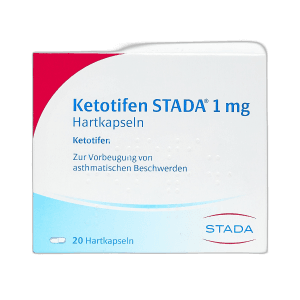
ketotifen
Ketotifenfumarat
Prevention
This section provides guidance on prevention and reducing risk factors.
Complete avoidance of allergens is often not possible but can be reduced through targeted measures.
Recommended steps include:
- Monitoring pollen forecasts
- Regular hair washing
- Ventilating rooms during low-pollen periods
- Pollen screens on windows
Early treatment can prevent the allergy from worsening.
FAQ
Here you will find answers to frequently asked questions on this topic.
Would you like a medical assessment?
Fill out the medical questionnaire. A licensed doctor will review your information and recommend a suitable therapy if appropriate.
Important notice
This content is for general information only. In case of severe pain, shortness of breath, impaired consciousness, fever > 39°C or rapidly worsening symptoms, please seek immediate medical help ().
Related treatments
More treatments from the Allgemeine Medizin area that might interest you.
Asthma
Wir prüfen Beschwerden und mögliche Warnzeichen, damit der nächste Schritt sicher eingeordnet werden kann.
Medizinisches Cannabis
Kurzer Check zu Beschwerden, Vorerkrankungen und bisherigen Therapien zur medizinischen Einordnung.
Raucherentwöhnung
Kurzer Check zu Konsum, Motivation und Rahmenbedingungen – für passende Optionen.
Migräne
Wir erfassen Häufigkeit, Auslöser und Warnzeichen, um Optionen medizinisch einzuordnen.