
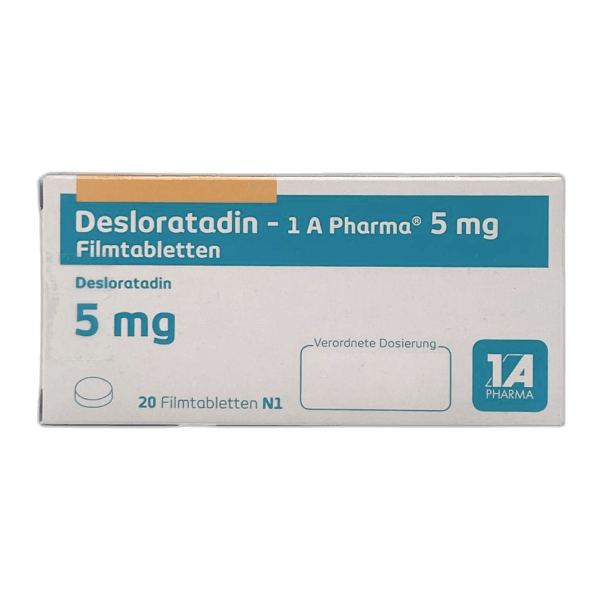
What is desloratadin?
Desloratadin is an antihistaminic agent of the third generation and the active metabolite of Loratadin. It is used for the treatment of allergic rhinitis (heuschnupfen), allergic rhinoconjunctivitis and chronic urticaria (nessel addiction).
The active ingredient selectively blocks the H1 histamine receptors and thus acts specifically against the typical allergy symptoms such as kidneys, nasal skating, itching and drinking eyes. Desloratadin is available under the brand name Aerius® and as a generic by numerous manufacturers (e.g. Desloratadin-ratiopharm®, Desloratadin HEXAL®).
In contrast to older antihistamines such as cetirizine or diphenhydramine, Desloratadin hardly passes the blood-brain barrier and therefore usually does not get tired.
Active Ingredients & Mechanism of Action
Active ingredient: Desloratadin
Desloratadin specifically intervenes in the allergic reaction:
Active mechanism:
- Selective blockage of peripheral H1 histamine receptors
- Prevents histamine unfolding its allergic effects
- In addition anti-inflammatory properties (hemmt interleukin-4, interleukin-13 and other mediators)
- Stabilizes mast cells and inhibits the release of further inflammatory substances
**Advantages over older antihistamines:* *
- No relevant sedation (does not sleepy)
- No anticholine side effects (no dry mouth)
- No impairment of rideability in recommended dosage
- No interaction with grapefruit juice or CYP3A4 inhibitors
Initiation of action: The effect begins within 1 hour. The maximum plasma concentration is reached after about 3 hours. The duration of action is 24 hours, so that a daily intake is sufficient.
Who is it suitable for?
Desloratadin is suitable for:
- Adults and young people from 12 years old with allergic rhinitis
- Patients with chronic idiopathic urticaria
- All year or seasonal allergy symptoms
- House dust allergy with continuous cold
Especially recommended at:
- Patients who need to remain efficient during the day (occupation, driving)
- If Loratadin does not have sufficient effect
- If necessary, a non-sedifying antihistaminic agent
- Combination with nasal corticosteroids in severe symptoms
Not suitable:
- Children under 1 year (as a solution from 1 year, tablets from 12 years)
- Heavy liver failure
- hypersensitivity to Desloratadin or Loratadin
Available Dosages
Adults and young people aged 12:
- 5 mg once a day (a film tablet)
- Taking independent meals
**Children (as syrup/solution, medical regulation):* *
- 1–5 years: 1.25 mg once a day
- 6–11 years: 2.5 mg once a day
Available dosage forms:
- 5 mg film tablets
- 5 mg melt tablets (Aerius® melt tablets)
- 0.5 mg/ml solution for taking (for children)
Application duration:
- Seasonal: During the pollen season
- Year-round: For perennial rhinitis or chronic urticaria according to medical recommendation
How to Take
Intake:
- Once a day, always at the same time
- Independent meals
- film tablet with water swallow
- Place melted tablets on the tongue, disintegrate without water
Important notes:
- Regularly take for optimal effect during pollen season
- Can also be taken if necessary (intermittent)
- No dose adjustment required for kidney failure
- Forgotten dose: Take next dose at the usual time, not twice the amount
Tips in hay fever:
- In addition nasal corticosteroid with clogged nose
- Observe pollen flight calendar and reduce exposure
- Allergy cardiac measures support therapy
Contraindications
**Desloratadin must not be taken at:* *
- hypersensitivity to Desloratadin or Loratadin
- Heavy liver insufficiency (falling dosage data)
Preview at:
- Restricted kidney function (dose adjustment may be necessary for severe kidney failure)
- Epilepsy in prehistory (cramble threshold can be lowered)
- Simultaneous use of drugs that lower the cramp threshold
pregnant and breastfeeding: Application in pregnancy should only be carried out after strict use-risk weighing. Desloratadin goes to breast milk. In the breastfeeding period, the intake should only take place after medical consultation.
Possible Side Effects
Family (1–10 %):
- Headaches
- Mouth dryness
- fatigue (more often than older antihistamines)
** Occasionally (0.1-1 %):* *
- Squeeze
- Sleep disorders
- Gastrointestinal complaints
- Tachycardia (Herzrasen)
- Myalgia (muscle pain)
**Selts (< 0,1 %):* *
- Sensitivity reactions
- Increased liver enzymes
- Anaphylaxis (extremely rare)
General: Desloratadin is considered to be very well tolerated. In clinical studies, the side effects rate was hardly higher than in placebo. The sedation rate is less than 2% and is thus significantly lower than Cetirizin.
Interactions
Clinical interactions: Desloratadin has a very favorable interaction profile. It is not substantially degraded via CYP enzymes.
No relevant interaction with:
- Grapefruit juice
- Ketoconazole, erythromycin (no QT extension)
- Alcohol (no increase in sedation in studies, nevertheless caution)
- Food
Preview at:
- Other sedative drugs (although Desloratadin itself hardly sedated)
- medicines that prolong QT (theoretical risk)
** Desloratadin has one of the most favorable interaction profiles of all antihistamines.
Frequently Asked Questions
Similar Medications
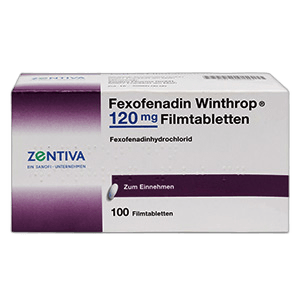
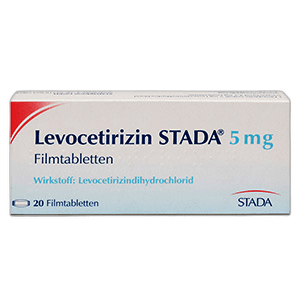
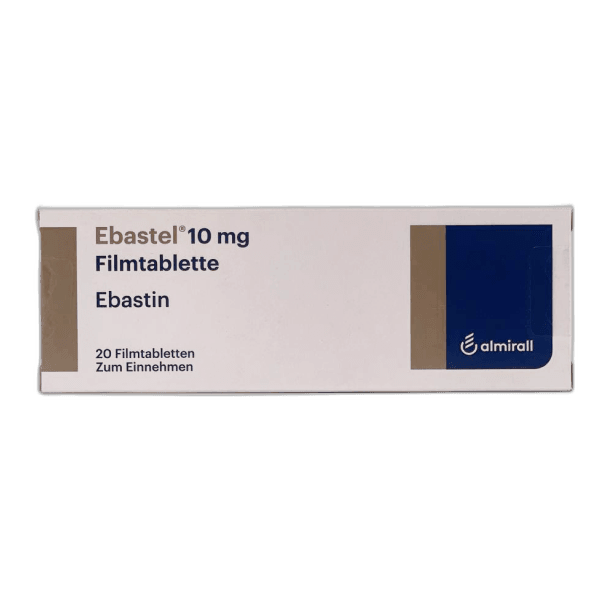
Is desloratadin right for you?
A licensed doctor will review your information and issue a prescription if suitable. Discreet and secure.
Important Notice
This information does not replace medical advice. If you have questions about your health or the suitability of this medication, please consult a doctor. Read the package leaflet before use.