
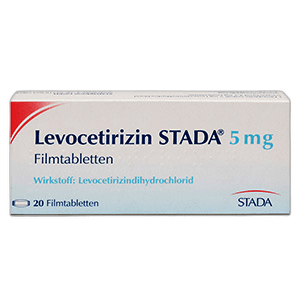
What is levocetirizine?
Levocetirizin is the active enantiomer (left-turning form) of cetirizin and belongs to the second generation of antihistamines. It is used in allergic rhinitis (heuschnupfen), perennial rhinitis and chronic idiopathic urticaria.
With a dosage of only 5 mg, Levocetirizin achieves the same effectiveness as 10 mg of cetirizin, but with a tendingly more favorable side effect profile. Levocetirizin is available as a generic (e.g. Levocetirizin-ratiopharm®, Levocetirizin HEXAL®) and under the brand name Xusal®.
It is considered one of the most effective oral antihistamines and has a very rapid effect.
Active Ingredients & Mechanism of Action
Active ingredient: Levocetirizindihydrochlorid
Levocetirizin selectively blocks the H1 histamine receptors:
Active mechanism:
- High affinity blockade of peripheral H1 receptors
- Double receptor affinity compared to cetirizin (R-enantiomer is ineffective)
- inhibits histamine-mediated vasodilatation, edema formation and itching
- Additional anti-inflammatory properties
Pharmacokinetics:
- Fast resorption: Effect after 30–60 minutes
- High oral bioavailability (> 85 %)
- half-life: 7–10 hours
- duration of action: over 24 hours with one-time administration
Advantages:
- Fastest action under oral antihistamines
- High efficiency at low dose
- Lower sedation as cetirizin (because the seding R-enantiomer is missing)
Who is it suitable for?
Levocetirizin is suitable for:
- Adults and children from 6 years old with seasonal allergic rhinitis
- Patients with perennial (gance-year-old) allergic rhinitis
- Chronic idiopathic urticaria
Especially recommended at:
- Patients who need a very fast symptom relief
- If Cetirizin makes 10 mg too tired (Levocetirizin 5 mg often better tolerate)
- Strong allergic symptoms that require a potent antihistaminic
Not suitable:
- Children under 2 years
- Heavy renal insufficiency (Kreatinin-Clearance < 10 ml/min)
- hypersensitivity to levocetirizine, cetirizine or hydroxyzine
Available Dosages
Adults and young people aged 12:
- 5 mg once a day (a film tablet)
Children:
- 6–11 years: 5 mg once a day
- 2–5 years: 1.25 mg twice a day (as drops)
Available dosage forms:
- 5 mg film tablets
- Drop to take (for children)
Dosis adjustment for kidney failure:
- Light (CrCl 50–79): 5 mg daily
- Moderate (CrCl 30–49): 5 mg every 2 days
- Heavy (CrCl 10–29): 5 mg every 3 days
- Dialysis: contraindicated
How to Take
Intake:
- Once a day, preferably in the evening (with slight fatigue)
- Regardless of meals (food delays admission easily)
- Swallow film tablet with water
- drops directly into the mouth or on a spoon
Important notes:
- Regular intake for optimal effect
- In case of tiredness: transfer to the evening
- Alcohol can strengthen the sedative effect – Careful
- Not together with other sedative drugs
Application duration:
- Seasonal allergy: During pollen flight time
- Perennial allergy: all year after medical recommendation
- Urtikaria: Up to symptom freedom
Contraindications
**Levocetirizin may not be taken at:* *
- hypersensitivity to levocetirizine, cetirizine or hydroxyzine
- Heavy renal insufficiency (Kreatinin-Clearance < 10 ml/min)
- dialysis-prone kidney failure
Preview at:
- Restricted kidney function (dose adjustment required)
- Epilepsy or increased cramp readiness
- Simultaneous alcohol consumption
- Predisposition for urine retention (e.g. spinal cord lesion, prostate hyperplasia)
pregnant and breastfeeding: No sufficient data for use in pregnancy. Go to breast milk. In pregnancy and breastfeeding only after medical consultation.
Possible Side Effects
Family (1–10 %):
- Headaches
- Sleepiness/ fatigue (less than Cetirizin)
- Mouth dryness
- Fatigue
** Occasionally (0.1-1 %):* *
- stomach pain
- nausea
- Squeeze
- visual disorders
- Palpitations
Selten:
- Weight gain
- Sensitivity reactions
- Crampfans
- Liver malfunction
- Aggression, agitation
** Compared to cetirizine 10 mg, the sedation rate at levocetirizine is 5 mg somewhat lower, since the inactive R-enantiomer is lacking.
Interactions
Preview with simultaneous use of:
- Alcohol (reinforced sedation possible)
- Other CNS-damping substances (benzodiazepines, opioids)
- Theophylline (light inhibition of levocetirizine clearance)
- Ritonavir (can increase Levocetirizin levels)
No relevant interaction with:
- Pseudoephedrine
- Food (light delay, but no loss of effect)
- CYP-enzyme-dependent medications (minimal CYP metabolism)
** Levocetirizin has a relatively favorable interaction profile since it is hardly hepatically metabolized and is mainly renal excreted.
Frequently Asked Questions
Similar Medications
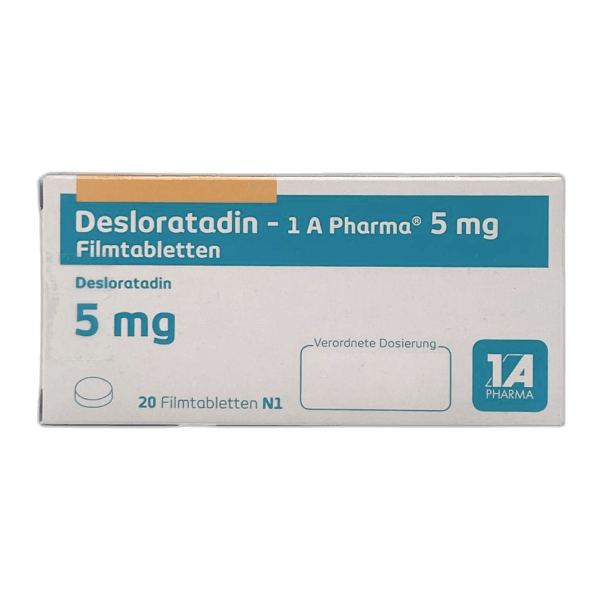
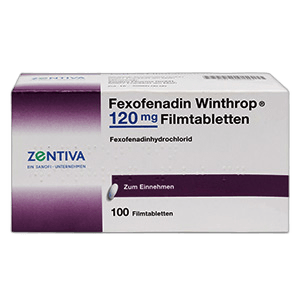
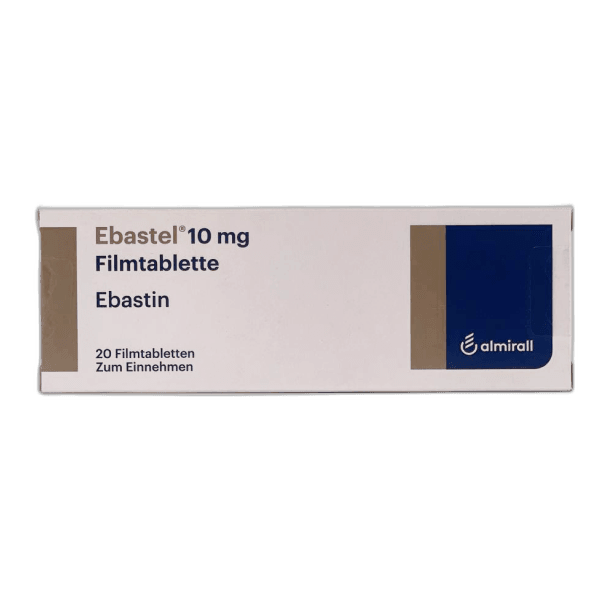
Is levocetirizine right for you?
A licensed doctor will review your information and issue a prescription if suitable. Discreet and secure.
Important Notice
This information does not replace medical advice. If you have questions about your health or the suitability of this medication, please consult a doctor. Read the package leaflet before use.