
Overview
In this section you will get an overview of the condition and its relevance to your health.
Acne is one of the most common skin conditions worldwide. Teenagers are particularly affected, but many adults also suffer from inflammatory skin changes years later. The visible skin changes can significantly affect self-confidence and lead to considerable distress.
Contrary to widespread assumptions, acne is not a result of poor hygiene. Rather, it is a complex disease of the sebaceous glands caused by hormonal influences and inflammatory processes.
The good news: Acne can be treated very effectively today. The earlier appropriate therapy begins, the better scars and chronic courses can be prevented — including after medical review through an online consultation.
What is it?
Here you will learn what medically characterizes this condition and how it is defined.
Acne is an inflammatory disease of the sebaceous glands and hair follicles. It occurs primarily where many sebaceous glands are present, such as on the face, back, and chest.
Four mechanisms are central:
- Increased sebum production
- Keratinization disorders of the skin
- Proliferation of certain skin bacteria
- Inflammatory reactions
These processes lead to the formation of blackheads, papules, pustules, and in severe cases, nodules or cysts. Depending on severity, mild, moderate, and severe forms of acne are distinguished.
Causes
The following information explains which factors can contribute to the development of this condition.
The causes of acne are multifactorial and often hormonally driven.
Hormonal influences play a central role. Androgens increase sebum production, which is why acne frequently occurs during puberty or with hormonal fluctuations.
Genetic predisposition influences how strongly the skin reacts to hormonal stimuli.
Bacterial factors: The skin bacterium Cutibacterium acnes contributes to inflammation but is not the sole cause.
Other contributing factors include:
- Certain medications (e.g., corticosteroids)
- Cosmetics with comedogenic ingredients
- Stress
- Hormonal conditions such as PCOS
Symptoms
This section describes the typical signs and symptoms you should watch for.
Acne manifests through various skin changes, depending on severity and course.
Typical skin changes include:
- Blackheads (open and closed)
- Red, inflamed papules
- Pus-filled pustules
- Painful nodules in severe forms
Affected skin areas are primarily the face, back, chest, and shoulders.
Warning signs that should be medically evaluated:
- Painful, deep inflammations
- Scar formation
- Lack of improvement despite treatment
- Psychological distress due to skin appearance
Diagnosis
Below you will learn how this condition is detected through medical examinations.
The diagnosis of acne is usually made through clinical assessment of the skin.
The doctor evaluates the type, number, and distribution of skin changes as well as possible triggers. In women, additional tests may be useful if hormonal causes are suspected.
Laboratory tests are usually not necessary but may be considered for severe or treatment-resistant cases.
During an online consultation, photos of the skin, information about pre-existing conditions, and previous treatments can be used for assessment.
Treatment
Here the available therapy options and their modes of action are explained.
Treatment of acne depends on the severity and individual factors.
Topical retinoids normalize skin keratinization and prevent new blackheads. They are an important basic therapy for mild to moderate acne. Common side effects include skin irritation at the start of treatment.
Benzoyl peroxide has antibacterial and anti-inflammatory effects. It is often used in combination with other active ingredients.
Topical or oral antibiotics may be useful short-term for inflammatory acne but should be used for a limited time to avoid resistance.
Isotretinoin is a very effective medication for severe or treatment-resistant acne. It sustainably reduces sebum production but requires close medical monitoring due to possible side effects and strict contraindications.
Hormonal therapies can be helpful for women with hormonally driven acne.
The choice of therapy is made individually and under medical supervision.
Available medications
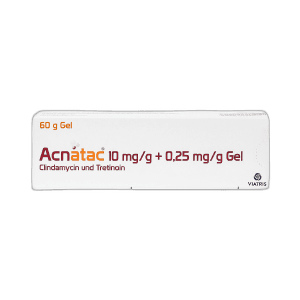
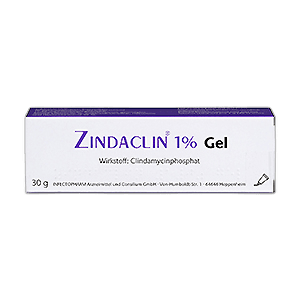
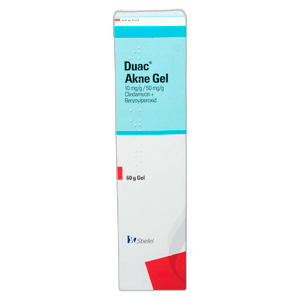
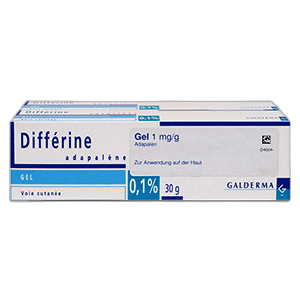
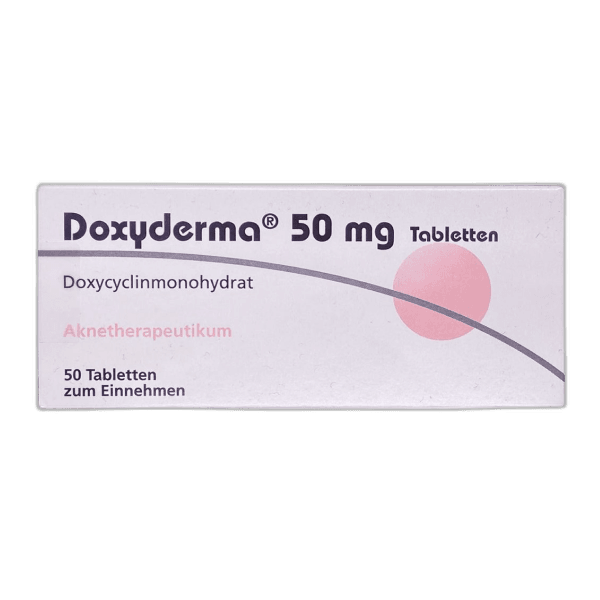
Various prescription medications are available for treatment. Click on a medication to learn more about its effects, dosage and side effects.
Prevention
This section provides guidance on prevention and reducing risk factors.
Complete prevention of acne is not always possible, especially with a genetic predisposition.
Gentle skin care with non-comedogenic products, regular cleansing without over-care, and avoiding aggressive cosmetics can positively influence the course.
It is important not to squeeze skin blemishes to avoid inflammation and scar formation.
FAQ
Here you will find answers to frequently asked questions on this topic.
Would you like a medical assessment?
Fill out the medical questionnaire. A licensed doctor will review your information and recommend a suitable therapy if appropriate.
Important notice
This content is for general information only. In case of severe pain, shortness of breath, impaired consciousness, fever > 39°C or rapidly worsening symptoms, please seek immediate medical help ().
Related treatments
More treatments from the Hautpflege area that might interest you.