
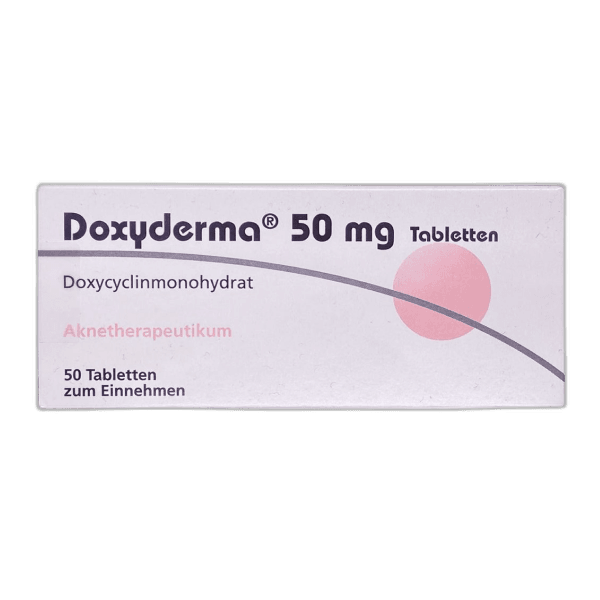
What is Doxyderma?
Doxyderma is an oral antibiotic with the active substance doxycycline, which is marketed specifically for dermatological indications. Doxycycline belongs to the class of tetracyclines and is used in medium to heavy inflammatory acne.
Compared to classic tetracycline, doxycycline has the advantage of better bioavailability and can be taken at meals. In addition, a daily intake is sufficient.
In addition to the antibacterial action, doxycycline also shows antiinflammatory effects which are particularly relevant in the acne treatment. Even low doses can be anti-inflammatory.
Active Ingredients & Mechanism of Action
Active ingredient: Doxycyclin 50 mg / 100 mg
Doxycycline acts antibacterial and anti-inflammatory:
Antibacterial effect:
- Inhibits bacterial protein synthesis
- Bacteriostatic against Cutibacterium acnes
- Better tissue penetration than tetracycline
Inflammatory action:
- Inhibits matrix-metalloproteinases (MMP)
- Reduced neutrophil migration
- Inhibits cytokine production
- also works at subantibiotic doses
Pharmacokinetic benefits:
- Good organic bioavailability (90-100%)
- Can be taken with food
- Longer half-life (once daily)
Who is it suitable for?
Doxyderma is suitable for:
- Medium to heavy flammable acne
- Acne that does not respond sufficiently to topical therapy
- Adults and young people from 12 years
In combination with:
- Topic therapy (benzoyl peroxide and/or retinoid)
Not suitable:
- Pregnancy and breastfeeding
- Children under 8 years
- Easy acne (topic treatment)
Available Dosages
Doxyderma tablets:
- 50 mg or 100 mg of doxycycline
- Recommended: 100 mg once a day or 50 mg 2x a day
- Treatment duration: 6-12 weeks, max. 3 months
Subantimicrobial dosage:
- 40-50 mg daily (only anti-inflammatory, not antibiotic)
- Less side effects, no resistance risk
How to Take
Intake:
- With sufficient water (at least 200 ml)
- At a meal possible (better compatibility)
- Keep up 30 minutes after taking
- Not right before bedtime
Important:
- Use sun protection! Doxycycline increases light sensitivity
- Not simultaneously with antazida or iron preparations
- At least 2 hours distance from dairy products
Additional:
- Always with topical therapy
- Probiotics can reduce gastrointestinal side effects
Contraindications
Adapted to:
- Pregnancy (teratogenic, tooth discoloration)
- Still time
- Children under 8 years
- Heavy liver failure
Preview at:
- esophagitis risk
- Myasthenia gravis
Prevention: Additional prevention method can be recommended while taking pills at the same time.
Possible Side Effects
**
- Gastrointestinal complaints (abuse, diarrhea)
- photosensitization (sunburn sensitivity)
- vaginal fungal infections
Occasionally:
- Headaches
- esophagitis (in case of misuse)
- Skin rash
Selten:
- Pseudotumor cerebri
- Hepatotoxicity
- Phototoxic onycholysis (sound release)
Prevention: Sufficient water, sun protection LSF 50+, uptake.
Interactions
Reactions:
- Antazida, calcium, iron, magnesium – reduced absorption
- Oral contraceptives – possibly reduced effect
- Isotretinoin – NOT combine (Pseudotumor cerebri!)
- Warfarin – increased bleeding
Remain: At least 2 hours for antazida and mineral preparations.
Frequently Asked Questions
Similar Medications
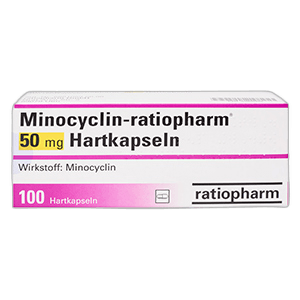
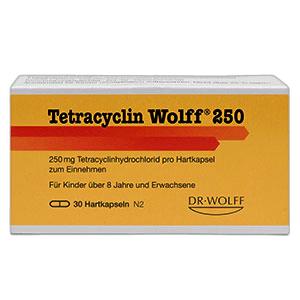

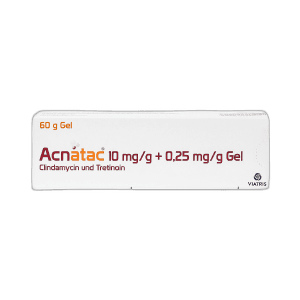
Is Doxyderma right for you?
A licensed doctor will review your information and issue a prescription if suitable. Discreet and secure.
Important Notice
This information does not replace medical advice. If you have questions about your health or the suitability of this medication, please consult a doctor. Read the package leaflet before use.