
What is aniline?
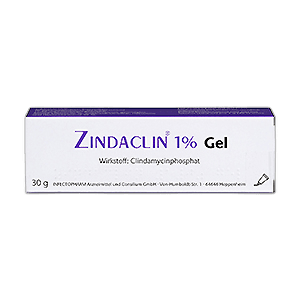
Zindaclin is a prescription gel with the active ingredient clindamycin, a lincosamide antibiotic. It is used for topical treatment of light to moderately heavy inflammatory acne vulgaris.
Clindamycin acts against the acne-causing bacteria Cutibacterium acnes and reduces the inflammatory reaction in the skin. It should ideally be used in combination with benzoyl peroxide or a retinoid to prevent the development of resistance.
Zindaclin is applied once a day and is approved for adults and young people from 12 years.
Active Ingredients & Mechanism of Action
Active ingredient: Clindamycin 1%
Clindamycin Antibacterial:
Active mechanism:
- Inhibits bacterial protein biosynthesis (50S subunit of ribosomes)
- Bacteriostatic against Cutibacterium acnes
- Reduces the concentration of free fatty acids on the skin
- Anti-inflammatory side effect
Additional effects:
- Reduces the neutrophil chemotaxis
- Complement activation
- Works indirectly against comedons by reducing inflammation
Time:
- First improvement: 2-4 weeks
- Optimum effect: 6-8 weeks
Who is it suitable for?
Zindaclin is suitable for:
- Light to moderate inflammatory acne
- Papulo pussy acne
- Adults and young people from 12 years
Important:
- Best in combination with benzoyl peroxide (against resistance)
- Or in combination with a retinoid
Not suitable:
- Heavy acne (systemic therapy required)
- Non-inflammatory acne (pure Komedons)
- Monotherapy over a longer period of time (resistance risk)
Available Dosages
Zindaclin Gel 1%:
- Apply thin to affected skin areas once a day
- duration of treatment: 6-8 weeks, maximum 12 weeks
Combination recommended:
- Morning Zindaclin + evening benzoyl peroxide or retinoid
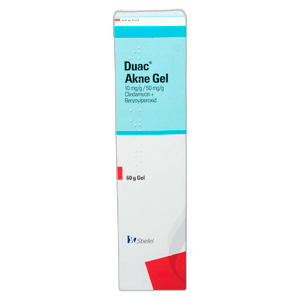
- Or combination preparation like Duac Gel
How to Take
Application: 1. Clean face and dry Two. Apply thin layer to inflamed areas 3. Let's move 4. Wash hands
Combination therapy:
- Morning: Zindaclin
- Evening: benzoyl peroxide or retinoid
- Replace time, not apply at the same time
Important:
- Not on open wounds or damaged skin
- Avoid contact with eyes and mucous membranes
Contraindications
Do not apply at:
- hypersensitivity to clindamycin or lincomycin
- Colitis ulcerosa or Morbus Crohn in prehistory
- Antibiotics-associated colitis in history
Preview at:
- Sensitive skin
- Atopic dermatitis
pregnant: Can be applied after strict indication.
Style time: Application possible, not in the chest area.
Possible Side Effects
Acid (1-10%):
- dry skin
- Skin irritation
- Burning or itching
Occasionally:
- dandruff
- Oily skin
- Contact dermatitis
Selten:
- Gastrointestinal complaints (in case of systemic resorption)
- Pseudomembranous colitis (very rare for topical use)
Interactions
Reactions:
- Erythromycin (topic) – antagonistic action, do not combine
- Neuromuscular blockers – theoretical effect gain
Ingenious combination:
- Benzoyl peroxide (prevents resistance)
- Retinoides (supplementary effect)
Frequently Asked Questions
Similar Medications
Is aniline right for you?
A licensed doctor will review your information and issue a prescription if suitable. Discreet and secure.
Important Notice
This information does not replace medical advice. If you have questions about your health or the suitability of this medication, please consult a doctor. Read the package leaflet before use.