
Overview
In this section you will get an overview of the condition and its relevance to your health.
Erectile dysfunction (ED) affects an estimated 3 to 5 million men in Germany alone. Despite its prevalence, the topic is still associated with shame, even though there is no reason for it: erectile problems are a medical condition like any other and can be treated very successfully in most cases.
The good news: Thanks to modern medications such as PDE-5 inhibitors (sildenafil, tadalafil, vardenafil), the vast majority of affected men can enjoy a fulfilling sex life again. The success rate of these medications is between 70 and 90 percent.
What is it?
Here you will learn what medically characterizes this condition and how it is defined.
Erectile dysfunction is diagnosed when, over an extended period — typically at least six months — a man regularly fails to achieve or maintain an erection sufficient for sexual intercourse. Occasional "misfires" are completely normal and no cause for concern. Only when the problem occurs in more than two-thirds of attempts is it considered a treatable condition.
An erection is a complex process in which the nervous system, blood vessels, hormones, and psyche must all work together. During sexual arousal, nerves send signals to the blood vessels in the penis. These dilate, blood flows into the erectile tissue, and the penis becomes rigid. At the same time, the veins are compressed so that blood cannot drain away. If any of these mechanisms is disrupted, erectile problems can occur.
Causes
The following information explains which factors can contribute to the development of this condition.
The causes of erectile dysfunction are varied, and often multiple factors work together. A fundamental distinction is made between physical (organic) and psychological (psychogenic) causes.
Physical causes account for about 70 percent of all cases. The most common are circulatory disorders caused by atherosclerosis — the calcification of blood vessels. Risk factors include high blood pressure, elevated blood lipids, diabetes mellitus, and smoking. In fact, erectile dysfunction can be an early warning sign of cardiovascular disease, as the fine vessels in the penis are affected earlier than the larger heart vessels.
Other physical causes include hormonal disorders such as testosterone deficiency, neurological conditions such as multiple sclerosis or Parkinson's disease, pelvic injuries, and side effects of certain medications — particularly blood pressure drugs, antidepressants, and diuretics.
Psychological causes play a particularly important role in younger men. Stress, performance pressure, fear of failure, relationship problems, or depression can significantly impair erectile function. A vicious cycle often develops: the fear of failure leads to actual failure, which further increases the anxiety.
In most men with erectile dysfunction, a combination of physical and psychological factors is found.
Symptoms
This section describes the typical signs and symptoms you should watch for.
The main symptom of erectile dysfunction is the inability to achieve or maintain a sufficient erection. This can manifest in different ways:
Some men cannot achieve an erection at all, while others achieve some rigidity but not enough for intercourse. Still others can initially insert the penis without problems but then lose the erection prematurely.
An important distinction: If the erection works during masturbation or in the morning upon waking but not during intercourse, this suggests a psychological cause. If the erection is absent even in other situations, a physical cause is more likely.
Additional sexual disorders may occur alongside, such as premature ejaculation or reduced libido (sexual desire). These should also be mentioned during the medical consultation, as they may be relevant for diagnosis and therapy.
Diagnosis
Below you will learn how this condition is detected through medical examinations.
The diagnosis of erectile dysfunction begins with a detailed medical history (anamnesis). The doctor will ask how long the problems have existed, how frequently they occur, and whether there are situations in which the erection works. Questions about pre-existing conditions, medications, lifestyle habits, and psychological well-being are also part of the assessment.
This is followed by a physical examination, during which blood pressure, pulse, and the external genitalia are examined, among other things. Blood tests can provide clues about diabetes, hormonal disorders, or elevated blood lipids.
If vascular problems are suspected, a Doppler ultrasound of the penile vessels may be performed. In some cases, nocturnal erections are measured (tumescence measurement) to distinguish between organic and psychogenic causes.
For online treatment, a structured questionnaire is often sufficient to capture the most important medical information and rule out contraindications.
Treatment
Here the available therapy options and their modes of action are explained.
Treatment depends on the cause and the individual needs of the patient. By far the most common and successful therapy is the use of PDE-5 inhibitors.
PDE-5 inhibitors are medications that block the enzyme phosphodiesterase-5. This allows a messenger substance (cGMP) to remain active longer, which is important for the relaxation of vascular smooth muscle and thus for the erection. Important: These medications do not produce an erection on their own — sexual stimulation is still necessary.
The approved active ingredients include:
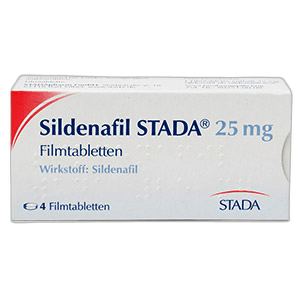
- Sildenafil (known as Viagra): Takes effect after about 30–60 minutes, duration 4–6 hours
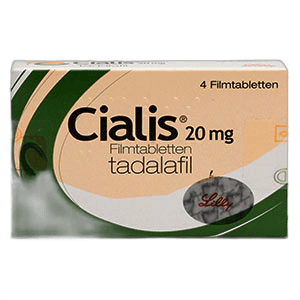
- Tadalafil (Cialis): Takes effect after about 30 minutes, duration up to 36 hours
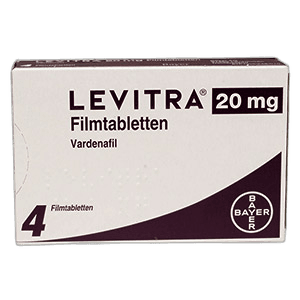
- Vardenafil (Levitra): Takes effect after about 25–60 minutes, duration 4–6 hours
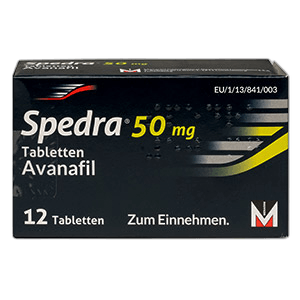
- Avanafil (Spedra): Takes effect after just 15–30 minutes, duration 6–12 hours
The success rate of these medications is 70–90 percent. Side effects such as headache, facial flushing, or nasal congestion are usually mild and temporary.
Important contraindication: PDE-5 inhibitors must not be taken together with nitrates (heart medications), as this can lead to a dangerous drop in blood pressure.
Complementary measures: Lifestyle changes can improve the effectiveness of therapy and sometimes even be sufficient on their own. These include weight reduction, regular exercise, quitting smoking, and moderate alcohol consumption. For psychological causes, psychotherapy or couples therapy may be beneficial.
Available medications
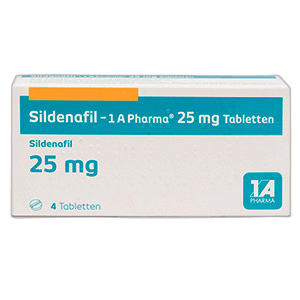
Various prescription medications are available for treatment. Click on a medication to learn more about its effects, dosage and side effects.
.png)
Prevention
This section provides guidance on prevention and reducing risk factors.
Many risk factors for erectile dysfunction can be influenced through a healthy lifestyle. Not smoking, exercising regularly, maintaining a healthy weight, and consuming alcohol only in moderation significantly reduces the risk.
Controlling high blood pressure, diabetes, and elevated blood lipids is particularly important, as these conditions damage blood vessels. Regular check-ups help detect and treat these risk factors early.
Mental health also plays a role: stress management, adequate sleep, and open communication in a partnership can help prevent erectile problems.
FAQ
Here you will find answers to frequently asked questions on this topic.
Would you like a medical assessment?
Fill out the medical questionnaire. A licensed doctor will review your information and recommend a suitable therapy if appropriate.
Important notice
This content is for general information only. In case of severe pain, shortness of breath, impaired consciousness, fever > 39°C or rapidly worsening symptoms, please seek immediate medical help ().
Related treatments
More treatments from the Männergesundheit area that might interest you.
Vorzeitiger Samenerguss
Ein kurzer, strukturierter Fragebogen hilft, passende Optionen medizinisch einzuordnen.
Haarausfall
Wir klären kurz die Ausgangslage und mögliche Ursachen, bevor passende Optionen angezeigt werden.
Testosteronmangel
Ein kurzer Check der wichtigsten Faktoren hilft, den nächsten sinnvollen Schritt einzuordnen.