
Overview
In this section you will get an overview of the condition and its relevance to your health.
High blood pressure -- medically known as arterial hypertension -- is one of the most common chronic conditions worldwide. In Germany, approximately one in three adults is affected. What makes it particularly insidious is that high blood pressure often causes no symptoms or only nonspecific ones for a long time.
Left untreated, high blood pressure significantly increases the risk of heart attack, stroke, heart failure, and kidney disease. Many of these complications can be prevented through timely diagnosis and consistent treatment.
The good news: high blood pressure can be controlled very effectively today. With lifestyle modifications and modern medications, blood pressure can be lowered efficiently -- including after medical review as part of an online consultation.
What is it?
Here you will learn what medically characterizes this condition and how it is defined.
High blood pressure is present when blood pressure in the arteries is permanently elevated. Two values are measured:
- Systolic blood pressure (upper value) measures the pressure during a heartbeat.
- Diastolic blood pressure (lower value) measures the pressure between heartbeats.
High blood pressure is generally defined as values of 140/90 mmHg or higher on repeated measurements.
A distinction is made between:
- Primary (essential) hypertension: no identifiable cause, the most common form
- Secondary hypertension: resulting from other conditions, e.g., kidney disease or hormonal disorders
Causes
The following information explains which factors can contribute to the development of this condition.
The causes of high blood pressure are varied and often multifactorial.
Common risk factors include:
- Genetic predisposition
- Overweight
- Lack of physical activity
- High salt intake
- Smoking
- Excessive alcohol consumption
- Chronic stress
Secondary causes may include:
- Kidney disease
- Hormonal disorders
- Certain medications
In many cases, no single trigger can be identified.
Symptoms
This section describes the typical signs and symptoms you should watch for.
High blood pressure often causes no symptoms for a long time.
Possible symptoms, when they occur, include:
- Headaches, particularly in the morning
- Dizziness
- Ringing in the ears
- Shortness of breath
- Nosebleeds
Warning signs that require immediate medical attention:
- Very high blood pressure readings
- Chest pain
- Neurological deficits
- Visual disturbances
Diagnosis
Below you will learn how this condition is detected through medical examinations.
The diagnosis of high blood pressure is made through repeated blood pressure measurements.
For evaluation, the following are used:
- Multiple office or home blood pressure measurements
- 24-hour ambulatory blood pressure monitoring
- Blood and urine tests
- ECG and, if necessary, further examinations
As part of an online consultation, blood pressure values can be documented, evaluated, and the next steps discussed.
Treatment
Here the available therapy options and their modes of action are explained.
The treatment of high blood pressure consists of lifestyle modifications and medication therapy.
Lifestyle modifications:
- Weight reduction
- Regular physical activity
- Reducing salt and alcohol intake
- Smoking cessation
Medication therapy:
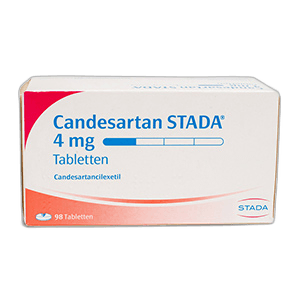
- ACE inhibitors or ARBs (angiotensin receptor blockers)
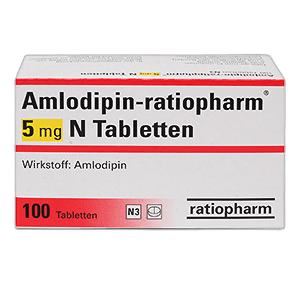
- Calcium channel blockers
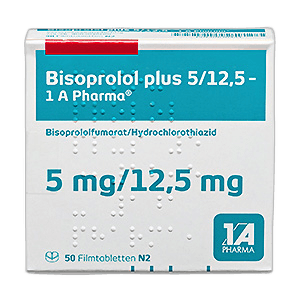
- Diuretics
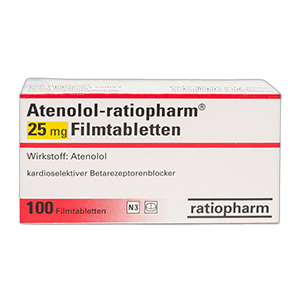
- Beta-blockers
The choice of medication is individualized and often involves combinations.
Important notes:
- Medications must be taken regularly
- Therapy adjustments are made gradually
Available medications
Various prescription medications are available for treatment. Click on a medication to learn more about its effects, dosage and side effects.
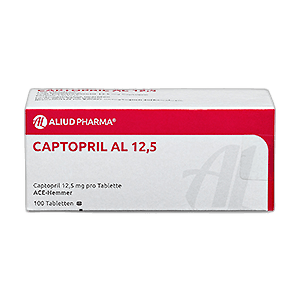
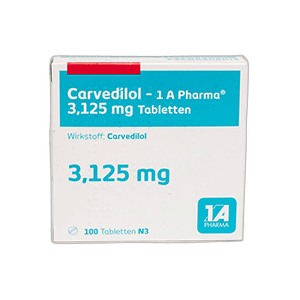
Prevention
This section provides guidance on prevention and reducing risk factors.
High blood pressure can be partially prevented or delayed through a healthy lifestyle.
Recommended measures include:
- Balanced diet
- Regular exercise
- Stress management
- Regular blood pressure checks
Early treatment protects against serious complications.
FAQ
Here you will find answers to frequently asked questions on this topic.
Would you like a medical assessment?
Fill out the medical questionnaire. A licensed doctor will review your information and recommend a suitable therapy if appropriate.
Important notice
This content is for general information only. In case of severe pain, shortness of breath, impaired consciousness, fever > 39°C or rapidly worsening symptoms, please seek immediate medical help ().
Related treatments
More treatments from the Allgemeine Medizin area that might interest you.
Asthma
Wir prüfen Beschwerden und mögliche Warnzeichen, damit der nächste Schritt sicher eingeordnet werden kann.
Medizinisches Cannabis
Kurzer Check zu Beschwerden, Vorerkrankungen und bisherigen Therapien zur medizinischen Einordnung.
Allergischer Schnupfen (Heuschnupfen)
Ein kurzer Fragebogen hilft, Symptome, Auslöser und bisherige Behandlung zu erfassen.
Raucherentwöhnung
Kurzer Check zu Konsum, Motivation und Rahmenbedingungen – für passende Optionen.