

What is Tretinoin cream?
Tretinoin (all-trans-retinic acid) is the oldest and best researched topical retinoid. It has been used for the treatment of acne since the 1960s and continues to be considered as a gold standard among the retinoids.
Unlike recent retinoides such as adapals, tretinoin is not light-stable and must be used in the evening. It is more effective, but also irritating than adapals. Many know it under the brand name Retin-A®.
Tretinoin is also used for anti-aging treatment and is one of the few agents with proven action against skin aging.
Active Ingredients & Mechanism of Action
Active ingredient: Tretinoin 0,025-0,1%
Tretinoin binds directly to retinoid receptors:
Active mechanism:
- Binding to RAR (Retinoid Acid Receptors)
- Activates specific genes
- Changes gene expression in skin cells
Effects on acne:
- Normalizes the maple in the follicles
- Prevents microcomedone formation
- Solves existing comedons on
- Has anti-inflammatory properties
Effects on the skin:
- Accelerates skin turnover
- Stimulates collagen production
- Dilutes the stratum corneum
- Thicken the epidermis
Important: Since tretinoin is light-sensitive and makes the skin more sensitive, it is essential for evening use and sun protection.
Who is it suitable for?
Tretinoin is suitable for:
- Acne vulgaris (all forms)
- Komedons-concrete acne
- Anti-aging treatment
- Hyperpigmentation
Advantages:
- Best data position among all retinoids
- Dual: Acne + Anti-Aging
- Long-term application possible
Restrictions:
- Stronger Irritation as Adapalen
- Non-stable (in the evening only)
- Not in pregnancy
- Longer time required
Available Dosages
Concentrations:
- 0.025% (low – for accusation)
- 0.05% (standard)
- 0.1% (high – for compatibility)
Depletion forms:
- Cream (for dry skin)
- Gel (for oily skin)
- Solution (for scalp/big surfaces)
Recommendation: Start with low concentration (0.025%) and increase in compatibility.
How to Take
Application (evening): 1. Clean face with mild cleanser Two. Wait 20-30 minutes (important in dry skin!) 3. Spread pea-sized quantity on the whole face 4. Save sensitive areas (eyelider, mouth angle) Five. Wait 20 minutes, then if necessary moisturizer
Reconciliation scheme:
- Week 1-2: Every 3rd day
- Week 3-4: Every 2nd day
- From week 5: Daily (if tolerated)
Important:
- Apply only in the evening (light sensitive)
- Morning sun protection LSF 30+
- Remove Retinol products
- No peeling, no other acids initially
Contraindications
Do not apply at:
- Pregnancy (teratogen!)
- Still time
- hypersensitivity to retinoides
- Akutem eczema, sunburn
- Perioral dermatitis, Rosacea
Prevention of pregnancy: Women of the age of birth must be safely prevented. Leave at least 1 month before child's request.
Preview at:
- Sensitive skin
- Atopic dermatitis
- Simultaneous application of other irritating products
Possible Side Effects
Very common (retinoid dermatitis):
- dry skin
- dandruff
- Roasting
- Burn, steal
- These reactions improve after 2-4 weeks
**
- Increased sun sensitivity
- First aggravation of acne
- Itching
Occasionally:
- Hyperpigmentation (in case of incorrect application)
- Contact dermatitis
Purging: In the first 4-8 weeks, the acne can get worse before it gets better. That's normal!
Interactions
Not combine with:
- Other retinoids
- benzoyl peroxide (time-replaced possible)
- AHA/BHA in high concentration (in the beginning)
- Sulfur, resorcinol
To be combined:
- benzoyl peroxide (morgens)
- azelaic acid
- Niacinamide
** Vitamin C (L-ascorbic acid) can inactivate tretinoin separately (morgent Vit C, tretinoin in the evening).
Frequently Asked Questions
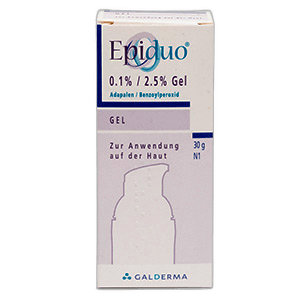
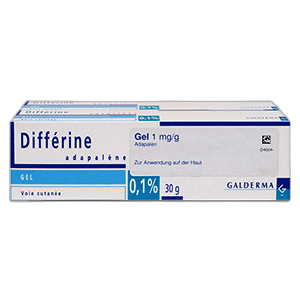
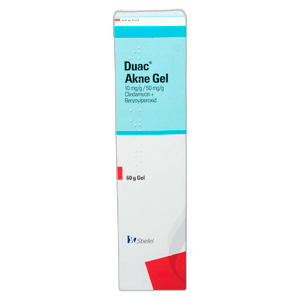
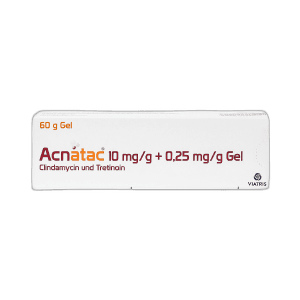
Similar Medications
Is Tretinoin cream right for you?
A licensed doctor will review your information and issue a prescription if suitable. Discreet and secure.
Important Notice
This information does not replace medical advice. If you have questions about your health or the suitability of this medication, please consult a doctor. Read the package leaflet before use.