
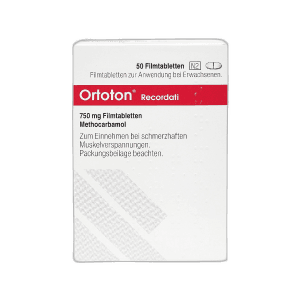
What is pridinol?
Pridinol is a centrally and peripherally effective muscle relaxant that is sold under the brand name Myditin®. It is used for treating acute painful muscle tensions, especially in back and neck pain.
The active ingredient has both anticholinergic and antihistaminergic properties and has muscle-relieving mechanisms over several mechanisms. Pridinol has been used in Germany for decades.
It is usually prescribed as short-term therapy in combination with analgesics and physiotherapy.
Active Ingredients & Mechanism of Action
Active ingredient: Pridinolmesilat
Pridinol has several mechanisms:
Active mechanisms:
- Anticholinerg: Inhibits the cholinerge transmission at the motor end plate
- Central muscle relaxation: Inhibits polysynaptic reflexes in spinal cord
- Analgetic: Own pain relief effect (via glutamate receptors)
speciality:
- Works both centrally and peripheral muscle relax
- Has an independent pain relief effect
- Anticholine side effects note
Pharmacokinetics:
- Effect entry: 30–60 minutes
- duration of action: 4–6 hours
- half-life: approx. 4 hours
Who is it suitable for?
Pridinol is suitable for:
- Acute painful muscle tensions
- Lumbago
- Torticollis (acute slate)
- Painful muscle hardening in the back and neck area
Used as:
- Accompanying medication for analgesics
- Short-term therapy (up to 2–3 weeks)
- Supplement to physiotherapy
Not suitable:
- At Engangle glaucoma
- In prostate adenom with residual harness
- At Megakolon
- At Myasthenia gravis
Available Dosages
Tablets:
- 3 mg
Use dosage (adults):
- 1–2 tablets 3 times a day
- usual daily dose: 9–18 mg
- Maximum daily dose: 18 mg (6 tablets)
Language:
- Short term: 1–3 weeks
- Not recommended for long-term use
How to Take
Intake:
- Take tablets unzerkaut with water
- Independent meals
- 3 times a day at regular intervals
Important notes:
- Restriction of traffic
- No alcohol (reinforced sedation)
- Be careful with heat (anticholinerg → reduced welding production)
- Convene dryness with water or sugar-free gum
Contraindications
**Pridinol must not be taken at:* *
- Engangle glaucoma (Green Star)
- Prostataadenome with residual urine formation
- Megacolon
- Myasthenia gravis
- Tachycardia heart rhythm disorders
- hypersensitivity to Pridinol
Preview at:
- prostate enlargement
- Harnverhalt cleaning
- Constipation tendency
- Fever (reduced heat dissipation)
- Elderly patients (strap, confusion)
Pregnant period: Not recommended due to insufficient data.
Possible Side Effects
Fatigue (anticholine effects):
- Mouth dryness
- tiredness, sleepiness
- Accomodation dysfunction (nearly impaired)
- Blocking
- Harnverhalt
Occasionally:
- Tachycardia (fast heartbeat)
- Gastrointestinal complaints
- Squeeze
- confusion (especially in older patients)
Selten:
- Allergic skin reactions
- Glaukomanfall (with predisposed patients)
** The anti-choline side effects limit the use in older patients.
Interactions
Enhanced anticholinergic action with:
- Tricyclic antidepressants
- Antihistamines
- Neuroleptics
- antiparkinsonants (e.g. biperids)
Intensified sedation with:
- Alcohol
- benzodiazepines
- Opioids
- Antihistamines
Preview at:
- MAO inhibitors
- Other centrally acting drugs
Frequently Asked Questions
Similar Medications
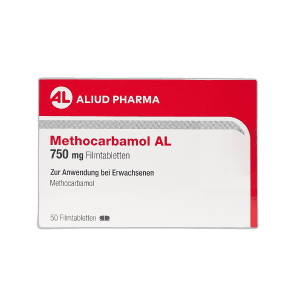
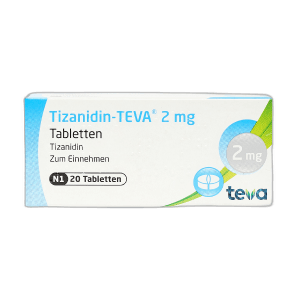
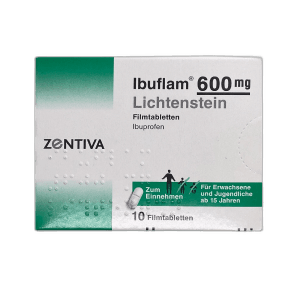
Is pridinol right for you?
A licensed doctor will review your information and issue a prescription if suitable. Discreet and secure.
Important Notice
This information does not replace medical advice. If you have questions about your health or the suitability of this medication, please consult a doctor. Read the package leaflet before use.