
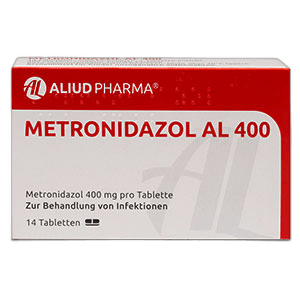
What is metronidazole?
Metronidazole is an antibiotic with action against anaerobic bacteria and certain parasites. It is used for the treatment of trichomoniasis, bacterial vaginal infection, anaerobic bacterial infections.
In sexually transmitted infections, Metronidazol is the means of choice against Trichomonas vaginalis – a single-cell parasite that causes vaginal infections and urethra inflammation.
The drug is available as tablets and as vaginal gel/ovula.
Active Ingredients & Mechanism of Action
Active ingredient: Metronidazol
Metronidazole acts against organisms that live under the exclusion of oxygen:
Active mechanism: Metronidazole is converted into reactive intermediates within the target organisms. These damage the DNA of the pathogens and lead to cell death.
Activity spectrum:
- Trichomonas vaginalis (parasite)
- Anaerobe bacteria (e.g. Gardnerella, Bacteroides)
- Giardia lamblia
- Entamoeba histolytica
speciality: The prodrug must only be activated by enzymes of the microorganisms. Only anaerobic pathogens have these enzymes – that is why Metronidazole has a very selective effect.
Who is it suitable for?
Metronidazole is suitable for:
- Trichomoniasis (Trichomonas infection)
- Bacterial vaginal
- Anaerobic infections
- As part of H. pylori-Eradikation
Most STI applications:
- Trichomoniasis: single dose or 7-day therapy
- Bacterial Vaginosis: 7-day therapy oral or vaginal
Not suitable for:
- 1. Trimester of pregnancy
- While alcohol consumption
- Heavy liver disease
- Neurological diseases
Available Dosages
For Trichomoniasis:
- 2 g as a single dose OR
- 400-500 mg twice a day for 7 days
For bacterial vagina:
- 400-500 mg twice a day for 7 days OR
- 2 g single dose (lower efficacy) OR
- vaginal gel (0.75%) once a day for 5 days
Available forms:
- Tablets 250 mg, 400 mg, 500 mg
- Vaginal gel 0.75 %
- vaginal cups 500 mg
How to Take
Tablets:
- Take with or after dinner
- Suck with a glass of water
- Keeping the prescribed period
Vaginal forms:
- Bringing in the evening before bed
- Applicator as described in pack insert
- No tampons during treatment
Strenge rule: NO ALKOHOL! During the treatment and 48 hours thereafter do not drink alcohol. The combination causes severe nausea, vomiting and headaches (disulfiram-like reaction).
Partnership: In trichomoniasis, the partner must always be treated.
Contraindications
**Metronidazole must not be taken at:* *
- hypersensitivity to metronidazole or nitroimidazole
- 1. Trimester of pregnancy (at high dose therapy)
- Neurological diseases with cramping tendency
Absolute prohibition:
- Alcohol consumption during therapy
Preview at:
- 2 and 3rd trimester of pregnancy
- Still time (single dose possible, then 12-24 hours still)
- Liver disease
- Blood disorders
pregnant: In the 1st trimester only with vital indication. Metronidazole can be used in trichomoniasis in the 2nd/3rd trimester.
Possible Side Effects
Acid (1-10%):
- nausea
- Metal taste in the mouth
- Headaches
- Lost appetite
- stomach pain
** Occasionally (0,1-1%):* *
- diarrhea
- Break.
- Mouth dryness
- Squeeze
- Darkness of urine
Selten:
- Peripheral neuropathy (cribing in hands/foot)
- Crampfans
- Blood-image changes
Disulfiram reaction: In alcohol consumption: severe nausea, vomiting, flush, headache, heartache. Can be life-threatening.
Interactions
Avoid absolute:
- Alcohol (at least 48 hours after last dose)
- Disulfiram (psychotic reactions possible)
Reactions with:
- Warfarin – increased bleeding (INR control)
- Lithium – increased lithium levels
- Phenytoin – Changed Mirrors of both Medicines
- Ciclosporin – increased ciclosporin toxicity
No relevant influence:
- Hormonal contraception (with short use)
Frequently Asked Questions
Similar Medications



Is metronidazole right for you?
A licensed doctor will review your information and issue a prescription if suitable. Discreet and secure.
Important Notice
This information does not replace medical advice. If you have questions about your health or the suitability of this medication, please consult a doctor. Read the package leaflet before use.