
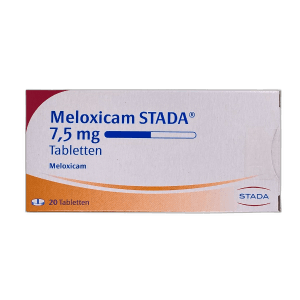
What is meloxicam?
Meloxicam is a non-steroid anti-inflammatory (NSAR) with preferential COX-2 inhibition. This means that it inhibits COX-2 more than COX-1 without being as highly selective as the Coxibe (Celecoxib, Etoricoxib).
Meloxicam is characterized by a long half-life and has to be taken only once a day. It has been used since the 1990s and is widely available as a generic.
The main areas of application are arthrosis and rheumatoid arthritis.
Active Ingredients & Mechanism of Action
Active ingredient: Meloxicam
Meloxicam preferably inhibits cyclooxygenase-2 (COX-2):
Active mechanism:
- Preferred inhibition of COX-2 against COX-- 1
- Less influence on the stomach mucosa than non-selective NSAR
- Nonetheless no complete COX-2 selectivity
Pharmacokinetics:
- Bioavailability: approx. 89 %
- half-life: about 20 hours
- Once daily intake sufficient
- Steady State after 3–5 days
Wirkprofil:
- pain relief
- Anti-inflammatory
- Easy to filter
Who is it suitable for?
Meloxicam is suitable for:
- Arthrosis (symptomatic short-term treatment)
- Rheumatoid arthritis
- Morbus Bechterew
Advantages:
- Once daily intake
- slightly better GI profile than Diclofenac or Ibuprofen
- Long clinical experience
Not suitable:
- In active gastrointestinal ulcers
- In severe heart, liver or kidney failure
- In pregnancy (in particular 3rd Trimenon)
Available Dosages
Tablets:
- 7.5 mg, 15 mg
Arthrosis:
- 7.5 mg once a day
- In case of insufficient action: 15 mg once a day
**Rheumatoid arthritis / Morbus Bechterew: * *
- 15 mg once a day
- In case of improvement: reduction to 7.5 mg possible
Maximum daily dose: 15 mg
Older patients: 7.5 mg per day recommended.
How to Take
Intake:
- A meal once a day
- Take water with a glass
- Possible at the same time of the day
Important notes:
- Use the lowest effective dose
- Regular medical check for long-term use
- Do not combine with other NSAR
- Control kidney function and blood count
Contraindications
**Meloxicam may not be taken at:* *
- hypersensitivity to meloxicam or other NSAR
- Active GI ulcers or bleeding
- Heavy heart failure
- Heavy liver or kidney failure
- Last third of pregnancy
- Children under 16 years
Preview at:
- Older patients
- GI diseases in prehistory
- Cardiovascular risk factors
- Asthma bronchiale
- Taking anticoagulants
Possible Side Effects
Family (1–10 %):
- Gastrointestinal complaints (dyspepsie, nausea)
- Headaches
- Edema
** Occasionally (0.1-1 %):* *
- Gastric ulcer, GI bleeding
- High blood pressure
- Skin rash
- Increased liver levels
- Squeeze
Selten:
- Heavy allergic reactions
- Kidney malfunction
- Blood-image changes
GI profile: Meloxicam tends to cause less stomach problems than diclofenac or ibuprofen, but more than the highly selective COX-2-inhibitors.
Interactions
Increased bleeding risk with:
- Anticoagulants
- ASS, other NSAR
- SSRI antidepressants
- corticosteroids
Sustainability of:
- ACE inhibitors, sartans
- Diuretics
Increased toxicity of:
- Methotrexate
- Lithium
- Ciclosporin
Frequently Asked Questions
Similar Medications
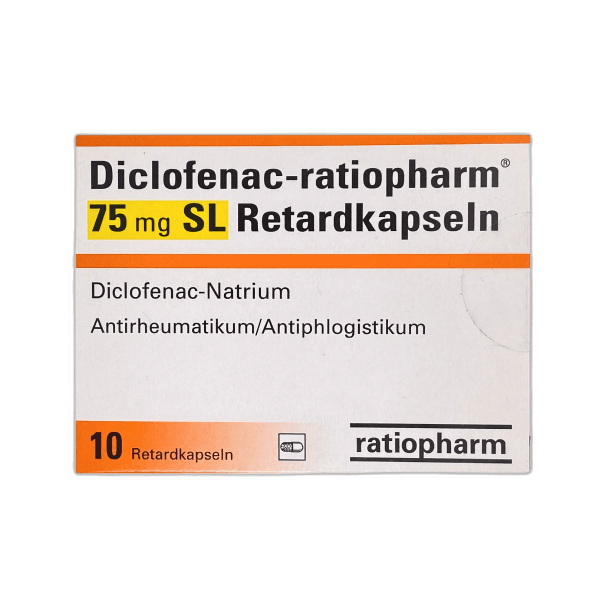

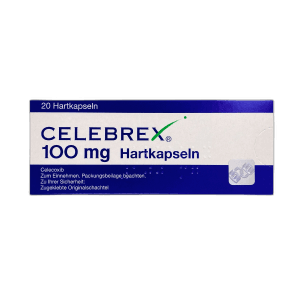
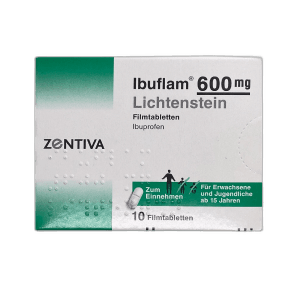
Is meloxicam right for you?
A licensed doctor will review your information and issue a prescription if suitable. Discreet and secure.
Important Notice
This information does not replace medical advice. If you have questions about your health or the suitability of this medication, please consult a doctor. Read the package leaflet before use.