
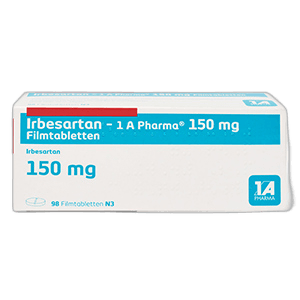
What is Irbesartan?
Irbesartan is an AT1 receptor blocker (Sartan) with a particularly good study position for protecting the kidneys in type 2 diabetes. It is used for treating high blood pressure and diabetic nephropathy.
Irbesartan is available as a generic and under the brand name Aprovel®. It is taken once a day and is well tolerated.
Active Ingredients & Mechanism of Action
Active ingredient: Irbesartan
Irbesartan blocks the AT1 receptor:
Active mechanism:
- Selective and long-lasting AT1 blockade
- Prevents the action of angiotensin II
- vascular expansion and blood pressure reduction
- No activation by liver enzymes required (no prodrug)
**
- Reduces the pressure in the kidney glomerulus
- Reduces protein precipitation (Proteinurie)
- Slows the progression of diabetic kidney diseases
- In the IDNT and IRMA 2 study
Who is it suitable for?
Irbesartan is suitable for:
- Adults with high blood pressure
- Kidney disease in high blood pressure and type 2 diabetes
Especially recommended at:
- Diabetic nephropathy with proteinuria
- Type 2 diabetes with high blood pressure
Not suitable:
- Pregnancy and breastfeeding
- Heavy liver or kidney failure
- At the same time with aliens in diabetes
Available Dosages
High blood pressure:
- start dose: 150 mg once a day
- usual dose: 150-300 mg once a day
- Maximum dose: 300 mg daily
Diabetic nephropathy:
- Target dose: 300 mg once a day
Available starches:
- 75 mg, 150 mg, 300 mg tablets
How to Take
Intake:
- Once a day, always at the same time
- Independent meals
- Take with water
**
- Regular blood pressure and laboratory controls
- Monitor kidneys and potassium
- Do not drop abruptly
- Sufficient liquid supply
Contraindications
**Irbesartan must not be taken at:* *
- hypersensitivity to Irbesartan
- Pregnancy and breastfeeding
- At the same time with aliens in diabetes
Preview at:
- Kidney failure
- Kidney artery stenosis
- Hyperkaliemia
- Dehydration
- Aortenstenose
pregnant: Contraindicated. Can cause severe damage to the unborn.
Possible Side Effects
Acid (1-10%):
- Squeeze
- Orthostatic hypotension
- Hyperkaliemia (in case of kidney failure)
- fatigue
** Occasionally (0,1-1%):* *
- Headaches
- nausea
- Gastrointestinal complaints
- muscle pain
- Chest pain
Selten:
- Angioedema
- Liver malfunction
- Skin reactions
General: Well-tolerated drug. No cough like ACE inhibitors.
Interactions
Contracted:
- Aliskiren in diabetes or kidney failure
Preview at:
- Potassium-saving diuretics → Hyperkaliemia
- NSAR → reduced effect
- Lithium → raised mirrors
- Other antihypertensive → increased blood pressure reduction
** Irbesartan is hardly degraded via CYP enzymes, therefore less interactions with other drugs.
Frequently Asked Questions
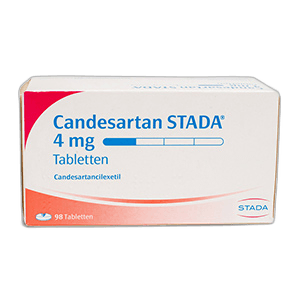
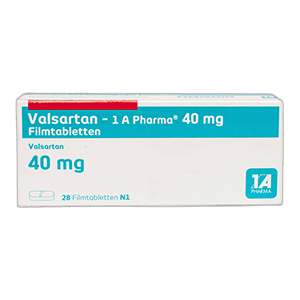
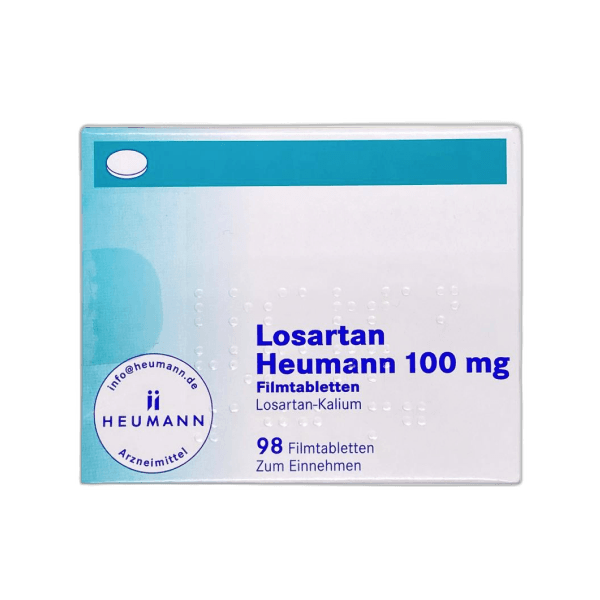
Similar Medications
Is Irbesartan right for you?
A licensed doctor will review your information and issue a prescription if suitable. Discreet and secure.
Important Notice
This information does not replace medical advice. If you have questions about your health or the suitability of this medication, please consult a doctor. Read the package leaflet before use.