
Overview
In this section you will get an overview of the condition and its relevance to your health.
Mycoplasma genitalium is a relatively little-known but medically significant pathogen of sexually transmitted infections. In recent years, its importance has increased considerably, as it frequently causes chronic or recurring symptoms and is developing increasing resistance to antibiotics.
Many infections initially present with few symptoms or go unnoticed. However, if the disease is left untreated, it can lead to persistent inflammation and complications — particularly in the urogenital tract.
The good news: With targeted diagnostics and guideline-based therapy, Mycoplasma genitalium can be successfully treated in most cases — including after medical review as part of an online consultation.
What is it?
Here you will learn what medically characterizes this condition and how it is defined.
Mycoplasma genitalium is a very small bacterium that — similar to ureaplasma — lacks a cell wall. As a result, it is naturally insensitive to many common antibiotics, particularly penicillins.
The pathogen primarily infects the mucous membranes of the urogenital tract and can cause inflammation there. The incubation period is variable and can span several weeks.
Particularly problematic is the increasing resistance development of Mycoplasma genitalium to commonly used antibiotics, making treatment more challenging.
Causes
The following information explains which factors can contribute to the development of this condition.
Mycoplasma genitalium is transmitted almost exclusively through sexual contact.
Transmission routes include:
- Unprotected vaginal intercourse
- Unprotected anal intercourse
- Unprotected oral sex
Risk factors include:
- Frequently changing sexual partners
- Unprotected sexual intercourse
- Previous or concurrent sexually transmitted infections
Asymptomatic individuals can also transmit the pathogen.
Symptoms
This section describes the typical signs and symptoms you should watch for.
Many Mycoplasma genitalium infections are asymptomatic. When symptoms occur, they are often nonspecific and persistent.
Typical symptoms in women:
- Burning during urination
- Increased or altered discharge
- Lower abdominal pain
- Intermenstrual bleeding
- Pain during sexual intercourse
Typical symptoms in men:
- Burning or pain during urination
- Discharge from the urethra
- Persistent urethritis
Warning signs include persistent or recurring symptoms despite treatment, as well as symptoms during pregnancy.
Diagnosis
Below you will learn how this condition is detected through medical examinations.
The diagnosis of Mycoplasma genitalium is made exclusively through targeted pathogen detection.
The standard method is a PCR test that detects the bacterium's DNA. The pathogen is not routinely included in standard STI tests, so it must be specifically tested for.
Testing is particularly recommended for:
- Persistent or recurring symptoms
- Treatment-resistant urethritis or cervicitis
- Positive STI history without an explanatory finding
As part of an online consultation, the indication for testing can be assessed.
Treatment
Here the available therapy options and their modes of action are explained.
The treatment of Mycoplasma genitalium is complex due to resistance and should follow current guidelines.
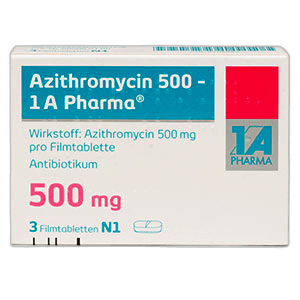
Azithromycin was previously commonly used but is no longer always effective due to rising resistance rates.
Moxifloxacin is now often the second-line treatment for proven or suspected resistance. It is taken over several days and is generally very effective.
Important notes:
- Therapy should be carried out consistently.
- Sexual partners should be tested and treated as well.
- A follow-up examination after completing therapy is important.
Due to potential side effects and resistance, medical supervision is essential.
Available medications
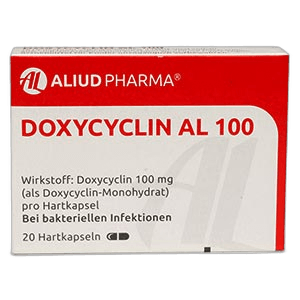
Various prescription medications are available for treatment. Click on a medication to learn more about its effects, dosage and side effects.
Prevention
This section provides guidance on prevention and reducing risk factors.
Consistent condom use significantly reduces the risk of transmission.
For persistent or recurring symptoms, targeted diagnostics should be sought early to avoid prolonged courses.
Regular testing with changing sexual partners helps detect infections early.
FAQ
Here you will find answers to frequently asked questions on this topic.
Would you like a medical assessment?
Fill out the medical questionnaire. A licensed doctor will review your information and recommend a suitable therapy if appropriate.
Important notice
This content is for general information only. In case of severe pain, shortness of breath, impaired consciousness, fever > 39°C or rapidly worsening symptoms, please seek immediate medical help ().
Related treatments
More treatments from the Geschlechtskrankheiten area that might interest you.
Chlamydien
Ein kurzer Fragebogen hilft, Symptome, Risiken und nächste Schritte strukturiert zu erfassen.
Genitalwarzen
Kurzer Check zu Symptomen, Verlauf und Vorbehandlung, um Optionen einzuordnen.
Genitalherpes
Wir fragen Verlauf und Beschwerden ab, um passende Optionen medizinisch zu bewerten.
HIV Prävention (PrEP)
Kurzer Check zu Risiken, Vorerkrankungen und Voraussetzungen für eine sichere Einordnung.